Bakeries: A Complete Guide to Fresh Bread, Pastries, Cakes, and the Bakery Industry

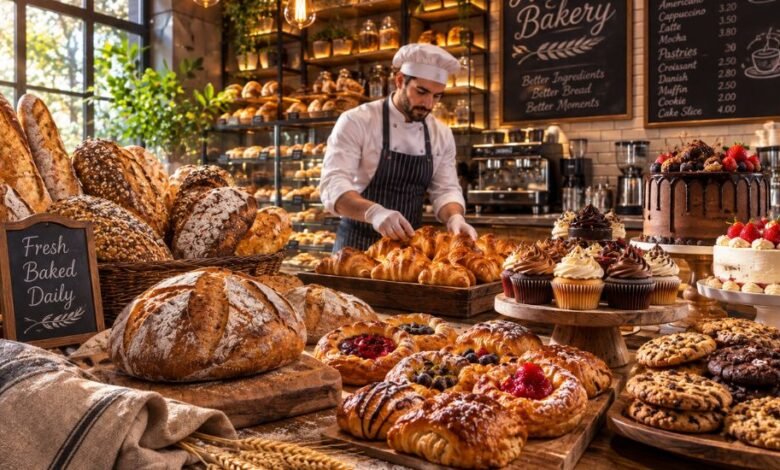
Bakeries have long been an important part of food culture around the world. From a small neighborhood shop selling fresh bread in the morning to a modern artisan bakery specializing in sourdough and handcrafted pastries, bakeries bring together tradition, creativity, and everyday convenience. They are places where people go not only to purchase food but also to enjoy familiar flavors, celebrate special occasions, discover new products, and sometimes simply enjoy a cup of coffee with something freshly baked.
The word bakery covers a remarkably broad range of businesses and products. Some bakeries concentrate on bread and rolls, while others specialize in cakes, cookies, pastries, doughnuts, or regional specialties. There are also bakery cafés, wholesale bakeries, specialty bakeries, and home-based businesses. As consumer preferences change, bakeries continue to introduce new ingredients, flavors, production techniques, and healthier alternatives while maintaining traditional favorites.
What Is a Bakery?
A bakery is a business or food-production establishment where products made primarily from flour or other grains are prepared and baked. Depending on the business, products may include bread, cakes, pastries, cookies, muffins, pies, buns, biscuits, doughnuts, croissants, and specialty desserts.
Baking itself is one of the oldest forms of food preparation. Historical evidence shows that early people prepared grain-based cakes and baked foods thousands of years ago. Over time, improvements in milling, fermentation, ovens, ingredients, and food-processing equipment transformed baking from a basic household activity into a major commercial industry.
Modern bakeries can range from very small operations with one or two bakers to large commercial facilities producing thousands of products every day. The basic objective, however, remains similar: turning carefully selected ingredients into appealing baked foods with desirable flavor, texture, appearance, and freshness.
A Brief History of Bakeries
Bread and baked foods have existed for thousands of years. Early forms of bread were much simpler than the loaves commonly found today. Ancient communities learned that grains could be ground, mixed with water, and cooked over heat to create a practical and nutritious food.
The development of fermentation was an important step in baking history. Fermented dough allowed bakers to produce lighter and more flavorful bread. As civilizations developed, baking techniques also became more sophisticated.
Eventually, baking moved from households into dedicated bakeries. Urban populations created greater demand for professionally produced bread and other baked foods. Bakers developed specialized techniques and equipment, while different regions created their own distinctive products.
Today, the bakery industry combines centuries-old methods with modern technology. Traditional sourdough fermentation, handmade pastries, and regional recipes can exist alongside automated mixing, temperature-controlled fermentation, sophisticated ovens, online ordering, and delivery services.
Different Types of Bakeries
Not every bakery operates in the same way. The type of bakery often depends on its customers, location, products, production capacity, and business model.
Retail Bakeries
Retail bakeries sell directly to customers through physical stores. These businesses commonly offer bread, cakes, pastries, cookies, buns, and other everyday products. Customers may visit several times a week for fresh bread or visit specifically to purchase a birthday or celebration cake.
Artisan Bakeries
Artisan bakeries emphasize craftsmanship, quality ingredients, traditional techniques, and distinctive products. Sourdough bread, naturally fermented loaves, handcrafted croissants, specialty pastries, and seasonal products are common examples.
Artisan baking has become particularly interesting to consumers who want products with an authentic story and recognizable ingredients. Current bakery trends also show renewed interest in heritage and regional baked goods.
Wholesale Bakeries
Wholesale bakeries produce baked goods for other businesses. Their customers may include supermarkets, restaurants, hotels, cafés, schools, catering companies, and independent food stores.
Because wholesale bakeries operate at larger volumes, consistency and efficiency are extremely important. Products must meet specific standards for size, taste, packaging, shelf life, and delivery.
Bakery Cafés
A bakery café combines baked products with a café experience. Customers can purchase pastries, cakes, sandwiches, bread, coffee, tea, and other beverages while eating at the location.
This model has become popular because it turns a bakery visit into a social or leisure experience rather than simply a shopping trip.
Specialty and Home Bakeries
Specialty bakeries focus on a particular category, such as customized cakes, cookies, gluten-free products, traditional desserts, or premium pastries. Home bakeries are usually smaller and may accept orders through websites or social media.
For entrepreneurs, a home bakery can provide a way to test products and build a customer base before investing in a larger commercial location.
Popular Products Sold by Bakeries
Bread remains one of the most recognizable bakery products, but today’s bakeries offer an enormous variety of foods.
Common bakery products include:
- White and whole-grain bread
- Sourdough bread
- Dinner rolls and buns
- Croissants
- Danish pastries
- Cinnamon rolls
- Muffins
- Cupcakes
- Cookies
- Brownies
- Doughnuts
- Pies and tarts
- Birthday and wedding cakes
- Biscuits
- Bagels
- Focaccia
- Sandwiches
- Regional and traditional baked goods
Cakes and pastries are especially important for celebrations. Birthdays, weddings, anniversaries, graduations, holidays, and corporate events all create opportunities for bakeries to sell customized products.
Bread, meanwhile, tends to generate regular everyday demand because it is purchased as a household staple. This combination of everyday products and occasional premium purchases gives many bakeries multiple revenue opportunities.
Why Freshness Matters in Bakeries
Freshness is one of the biggest advantages that bakeries can offer. Freshly baked bread has a distinctive aroma, texture, and flavor that can be difficult to reproduce in older products.
For customers, freshness can influence the entire bakery experience. A crisp pastry, soft interior, fragrant bread, or freshly decorated cake can create a stronger impression than a mass-produced alternative.
Timing is therefore important for bakery operations. Bakers need to plan production according to customer demand. Bread may be prepared several times during the day, while cakes and specialty products may be produced according to advance orders.
Good bakeries also pay close attention to storage and handling. Even a high-quality product can lose its appeal if it is stored incorrectly or displayed for too long.
The Importance of Ingredients
Ingredients play a central role in the quality of baked products. Flour, water, yeast, salt, sugar, butter, eggs, milk, chocolate, fruits, nuts, spices, and other ingredients all influence the final result.
Different types of flour can produce significantly different textures and flavors. Fermentation time can affect bread’s structure and taste, while butter and other fats influence the flakiness of pastries.
Ingredient quality has also become more important as customers pay greater attention to what they eat. Current bakery-industry discussions highlight growing interest in natural, functional, nutritious, and clean-label ingredients.
However, healthier products do not necessarily mean eliminating indulgent foods. Bakeries have an opportunity to offer both: traditional cakes and pastries for customers seeking indulgence and whole-grain, protein-enriched, or other specialized products for customers with different dietary preferences.
Artisan Baking and Sourdough
Artisan baking has attracted considerable attention in recent years. One reason is that consumers often appreciate products that appear handcrafted and connected to traditional methods.
Sourdough is a particularly well-known example. Traditional sourdough uses a fermented starter rather than relying solely on commercial yeast. The fermentation process contributes to its characteristic flavor, aroma, crust, and texture.
The renewed interest in sourdough also reflects a broader desire for authenticity. Customers may want to know how their food was made, where ingredients came from, and what techniques were used.
At the same time, bakeries need to distinguish genuine craftsmanship from marketing language. Authenticity is valuable when it is supported by real production methods, quality ingredients, and transparency.
Healthier Bakery Options
Health-conscious consumers are influencing bakery menus. Some customers are looking for whole-grain breads, products with higher fiber, reduced sugar, natural ingredients, or additional protein.
Industry reporting in 2026 indicates that healthier bread and specialty bread categories are receiving increased attention, while bakery businesses are experimenting with products designed around nutrition as well as taste.
This does not mean every customer wants a health-focused product. Bakeries generally need to understand their local audience. A successful bakery might therefore offer a balanced menu containing traditional favorites alongside healthier alternatives.
For example, a bakery could sell standard white bread and pastries while also offering whole-grain bread, sourdough, seed-based loaves, reduced-sugar desserts, or products made with alternative ingredients.
Bakery Trends in 2026
The bakery industry continues to evolve as customers become more interested in quality, convenience, health, authenticity, and memorable food experiences.
One noticeable trend is the revival of regional and traditional baked products. Bakers are taking classic recipes and giving them contemporary presentations or ingredient combinations. This allows bakeries to preserve culinary heritage while appealing to modern customers.
Another trend is experimentation with flavors. Bakery businesses are increasingly exploring combinations that create stronger contrasts, including sweet-and-spicy flavors and unusual ingredient pairings.
Protein-enriched bakery products are also gaining attention. Industry coverage describes bakeries experimenting with protein-enhanced breads, buns, cookies, and snacks.
Convenience is another important factor. Online ordering, delivery, pre-ordering, digital payments, and social media marketing allow bakeries to reach customers beyond their physical storefronts.
Bakeries and Technology
Technology is changing bakery operations in several ways. Commercial bakeries can use automated equipment for mixing, shaping, proofing, baking, cooling, and packaging. These systems can improve consistency and reduce the amount of repetitive manual work.
Small bakeries can also benefit from technology without becoming highly automated. Online ordering systems, social media pages, digital menus, customer databases, delivery platforms, and electronic payment options can make operations more convenient.
Technology is particularly useful for customized orders. A customer can browse cake designs, select a size, provide a message, choose a pickup time, and pay before arriving at the bakery.
However, technology does not replace the importance of baking skill. The best bakery businesses typically use technology to improve efficiency while preserving the qualities customers value, including taste, freshness, creativity, and service.
Bakeries in Pakistan
Bakeries have an especially familiar place in Pakistani food culture. Customers purchase everyday products such as bread, buns, biscuits, rusks, cakes, and traditional baked items, while cakes and pastries are also popular for celebrations.
Traditional products can coexist with modern bakery trends. Items such as rusk and nankhatai can share a menu with brownies, cookies, croissants, sourdough, and customized cakes.
Interest in healthier bakery products is also emerging, although the market can vary significantly according to location, price, and customer preferences. Discussions among Pakistani consumers and entrepreneurs show interest in balancing familiar everyday products with newer health-focused and artisan offerings.
This creates opportunities for bakeries that understand their specific customers rather than simply copying trends from other countries.
How to Choose a Good Bakery
Choosing a good bakery involves more than looking at attractive products. Customers can consider several factors.
First, freshness is important. Bread and pastries should look and smell fresh, while cakes should be properly stored and decorated.
Second, consistency matters. A bakery that produces excellent products occasionally but inconsistent products at other times may struggle to build customer loyalty.
Third, cleanliness and food handling are essential. Customers should feel confident that products are prepared, stored, and served under appropriate hygienic conditions.
Finally, customer service can make a significant difference. Friendly staff, accurate orders, reasonable waiting times, clear pricing, and dependable delivery can turn first-time customers into regular customers.
The Future of Bakeries
The future of bakeries is likely to combine tradition with innovation. Customers will continue to enjoy familiar foods such as bread, cakes, cookies, and pastries, but bakeries will also experiment with new ingredients, flavors, formats, and production methods.
Health and wellness are likely to remain important areas of innovation. At the same time, indulgent desserts will continue to have a place because celebrations and special occasions naturally create demand for cakes and pastries.
Sustainability may also become increasingly important. Bakeries can explore efficient production, responsible packaging, reduced food waste, local ingredients, and better inventory planning.
Perhaps the most important opportunity is differentiation. A bakery does not necessarily need to offer everything. It can become known for excellent sourdough, exceptional cakes, traditional regional products, creative cookies, fresh pastries, or a memorable café experience.
Conclusion
Bakeries are much more than places where bread is sold. They represent a combination of food, craftsmanship, tradition, business, and community. From ancient grain-based foods to today’s artisan sourdough and digitally ordered celebration cakes, baking has continually adapted to changing lifestyles.
The modern bakery industry offers something for almost every type of customer. Some people want an inexpensive loaf of fresh bread, while others are looking for a carefully crafted pastry, a customized birthday cake, a healthier loaf, or a relaxing café experience.
As tastes and technology continue to change, successful bakeries will be those that understand their customers while maintaining the qualities that make baked foods special: freshness, flavor, craftsmanship, consistency, and care. For readers interested in food, local businesses, culinary traditions, and changing consumer trends, blogtrendnews can continue exploring the fascinating world of bakeries and the stories behind the foods people enjoy every day.