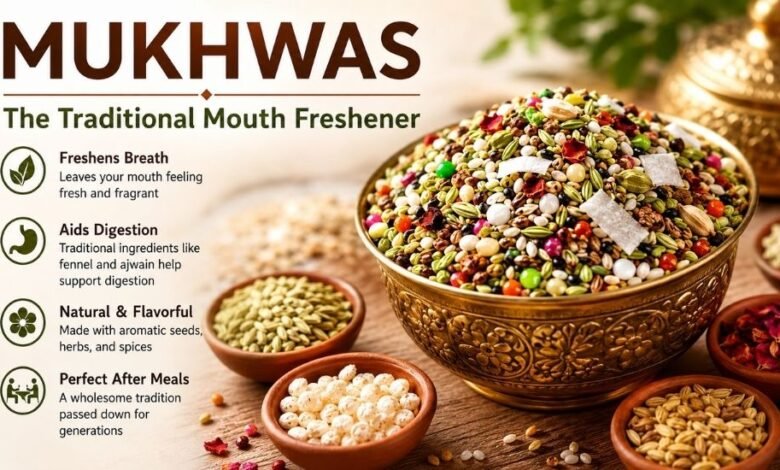
Mukhwas is a traditional mouth freshener that has been enjoyed across South Asia for generations. Often served after meals, it is known for its aromatic flavor, refreshing taste, and colorful appearance. From simple roasted fennel seeds to elaborate mixtures containing spices, seeds, coconut, dried fruits, and sweet coatings, Mukhwas comes in many varieties. Today, it can be found in homes, restaurants, weddings, celebrations, and specialty food shops.
Although Mukhwas is strongly associated with Indian culinary traditions, it is also familiar to people in Pakistan and other South Asian communities. Its popularity comes from its combination of fragrance, texture, and the pleasant feeling it provides after eating. Some varieties are sweet, while others are savory, spicy, tangy, or inspired by the flavors of traditional paan.
This guide explores everything you need to know about Mukhwas, including its meaning, Mukhwas ingredients, a simple Mukhwas recipe, traditional Mukhwas benefits, Pan Mukhwas, Mukhwas Pakistan, and factors that influence Mukhwas price in Pakistan.
What Is Mukhwas?
Mukhwas is a traditional Indian and South Asian mouth freshener usually consumed at the end of a meal. The name is commonly associated with the mouth and fragrance, reflecting its traditional purpose as something that refreshes the mouth.
Unlike a single standardized food, Mukhwas is a broad category of mixtures. Recipes vary according to region, family tradition, manufacturer, and personal taste. One preparation may contain mostly fennel seeds, while another can include sesame seeds, coriander seeds, coconut, cardamom, sugar-coated seeds, dried fruits, or aromatic flavorings.
Mukhwas is normally eaten in a small quantity. Its distinctive combination of sweet, spicy, roasted, and aromatic flavors makes it different from conventional mints and chewing gums.
Mukhwas in English: What Does It Mean?
People searching for Mukhwas in English will usually find it described as an Indian mouth freshener, traditional after-meal mouth freshener, or aromatic seed and spice mixture.
There is no perfect single English word that captures every type of Mukhwas because the product can contain many different ingredients. “Mouth freshener” is the most straightforward English description.
In everyday use, Mukhwas can therefore be explained as a traditional edible mixture eaten after meals to freshen the mouth and provide a pleasant finishing flavor.
Mukhwas Ingredients
One of the most interesting things about Mukhwas is the variety of ingredients used to prepare it. There is no universal ingredient list, and combinations can be changed according to the desired taste.
Common Mukhwas ingredients include:
- Fennel seeds or saunf
- Coriander seeds
- Sesame seeds
- Flax seeds
- Ajwain or carom seeds
- Anise seeds
- Cardamom
- Dried coconut
- Mishri or sugar crystals
- Dried fruits
- Nuts
- Mint
- Rose flavoring
- Gulkand
- Tamarind
- Various spices
Fennel seeds are particularly popular because they have a naturally sweet and aromatic flavor. They are often roasted lightly before being included in the mixture.
Sweet varieties may contain sugar-coated fennel or colorful edible coatings, while savory versions can contain roasted seeds and spices. Premium varieties sometimes include nuts, dried fruits, rose ingredients, or other specialty components.
Popular Types of Mukhwas
Mukhwas is available in numerous varieties. The flavor depends largely on the ingredients and preparation method.
1. Saunf Mukhwas
Saunf Mukhwas is one of the simplest and most recognizable versions. It is primarily based on fennel seeds and may be served plain, roasted, sweetened, or coated.
Its mild sweetness and distinctive aroma make it popular after meals.
2. Sweet Mukhwas
Sweet Mukhwas may contain sugar-coated seeds, mishri, coconut, fennel, and other sweet ingredients. The colorful appearance of some commercial varieties makes them particularly popular for serving to guests.
3. Namkeen Mukhwas
Namkeen Mukhwas focuses on savory flavors rather than sweetness. Roasted seeds, spices, and herbs can be combined to create a salty or mildly spicy mixture.
4. Pan Mukhwas
Pan Mukhwas is inspired by the flavors and aromas associated with traditional paan. Depending on the recipe, it may contain fennel, cardamom, coconut, rose, gulkand, and other ingredients.
Pan Mukhwas provides a sweet, aromatic profile without being identical to an actual paan preparation. Different manufacturers create their own versions, so ingredients can vary substantially.
5. Imli Mukhwas
Imli, or tamarind, can give Mukhwas a distinctive sweet-and-sour taste. It is especially appealing to people who prefer tangy flavors instead of purely sweet varieties.
6. Dry Fruit Mukhwas
Dry fruit versions combine traditional seeds with nuts and dried fruits. They are often positioned as premium Mukhwas because ingredients such as nuts and specialty dried fruits can increase the cost.
Mukhwas Recipe: How to Make It at Home
Making a basic Mukhwas recipe at home is relatively simple. A homemade mixture can be adjusted according to your preferred level of sweetness, spice, and aroma.
Simple Homemade Mukhwas
Ingredients:
- 1 cup fennel seeds
- 2 tablespoons sesame seeds
- 2 tablespoons coriander seeds or dhana dal
- 1 tablespoon flax seeds
- A small amount of cardamom
- 2–3 tablespoons coconut flakes
- Mishri or sugar crystals according to taste
- Optional mint, rose flavoring, or other preferred ingredients
Preparation Method
Start by dry-roasting the fennel seeds over low to medium heat. The goal is to release their aroma without burning them. Remove them from the pan once they become fragrant.
Next, roast the sesame seeds, coriander seeds, and flax seeds separately because each ingredient may require a different amount of time. Let the roasted ingredients cool down fully before combining them.
Combine the seeds in a clean bowl. Add coconut flakes and cardamom. If you prefer a sweeter Mukhwas, add mishri or another suitable sweet ingredient.
For a more aromatic version, you can add a small amount of dried mint or a food-safe rose flavoring. Mix everything thoroughly and store the finished Mukhwas in a clean, dry, airtight container.
The mixture should remain dry because moisture can affect its texture and shelf life.
How Is Mukhwas Traditionally Served?
Mukhwas is generally served in a small bowl or container after a meal. Because only a small amount is normally consumed, it is often placed alongside other post-meal offerings.
Restaurants may provide Mukhwas in decorative containers near the exit or with the bill. At weddings and celebrations, colorful Mukhwas mixtures may also be served as part of the dining experience.
The presentation can be as important as the flavor. Different colored seeds, sugar-coated ingredients, coconut pieces, and dried fruits can create an attractive mixture.
Mukhwas Benefits
There are several reasons people traditionally enjoy Mukhwas. The most obvious is its role as a mouth freshener.
Freshens the Mouth
The aromatic ingredients in Mukhwas can leave a pleasant fragrance and flavor in the mouth after eating. Fennel, cardamom, mint, and similar ingredients are particularly valued for their refreshing qualities.
Traditional Digestive Use
Some Mukhwas ingredients, particularly fennel, ajwain, coriander, and certain spices, have traditionally been associated with digestion in South Asian food culture. This is one reason Mukhwas is commonly eaten after meals.
However, these traditional associations should not be interpreted as proof that Mukhwas treats digestive disorders. Mukhwas is primarily a food and mouth freshener rather than a medical treatment.
Pleasant After-Meal Experience
Mukhwas can provide a flavorful conclusion to a meal. Its mixture of aroma, sweetness, crunch, and spice gives diners something enjoyable to eat after the main course.
Variety of Ingredients
Depending on the recipe, Mukhwas can contain seeds, spices, coconut, herbs, nuts, and other ingredients. This makes it easy to customize according to individual preferences.
Is Mukhwas Healthy?
Whether a particular Mukhwas is a good choice depends on its ingredients and portion size. A simple mixture made primarily from roasted seeds may differ considerably from a heavily sugar-coated commercial product.
People who are watching their sugar intake may prefer varieties with little or no added sugar. Similarly, those with food allergies should check the ingredient list carefully, particularly when Mukhwas contains nuts, sesame, or other potential allergens.
Portion size also matters. Mukhwas is traditionally consumed in a small quantity, so it is better viewed as a finishing food rather than something to eat in large amounts.
Mukhwas Pakistan: Availability and Popularity
Mukhwas Pakistan is available through a variety of food shops, sweet shops, restaurants, traditional grocery stores, and online sellers. Availability can vary considerably between cities and individual retailers.
In Pakistan, people may encounter both locally produced and imported varieties. Some shops sell traditional fennel-based mixtures, while others offer colorful sweet Mukhwas, Pan Mukhwas, dry-fruit combinations, or specialty blends.
The product can also appear in restaurants serving South Asian cuisine, particularly establishments that follow traditional dining customs.
Mukhwas Price in Pakistan
The Mukhwas price in Pakistan does not have one fixed value. Prices vary according to brand, ingredients, package size, quality, and whether the product is locally made or imported.
Basic fennel-based Mukhwas is generally more affordable than premium mixtures containing nuts, dried fruits, specialty flavorings, or elaborate coatings.
When comparing prices, shoppers should look at the price per 100 grams or per kilogram, rather than comparing package prices alone. A small premium package may appear inexpensive but have a considerably higher unit price.
Prices can also change over time because of ingredient costs, packaging, transportation, and retailer margins. Therefore, consumers should check current prices from local shops or online food sellers before purchasing.
How to Choose Good-Quality Mukhwas
When buying Mukhwas, examine the ingredients and packaging carefully.
A good-quality product should have a pleasant aroma and ingredients that appear fresh. Seeds should not have an unusual stale smell, excessive moisture, or signs of contamination.
For packaged products, check:
- Ingredient list
- Manufacturing date
- Expiry or best-before date
- Package condition
- Storage instructions
- Added sugar content
- Allergen information
- Brand or manufacturer details
If you prefer a less sweet option, look for seed-based or low-sugar varieties.
How to Store Mukhwas
Proper storage helps preserve the flavor and aroma of Mukhwas. Keep it in an airtight container away from moisture, direct sunlight, and excessive heat.
A dry kitchen cabinet is generally more suitable than an area exposed to steam or humidity. Always use a clean, dry spoon when serving homemade Mukhwas.
If the mixture develops an unusual smell, changes significantly in texture, or shows signs of spoilage, it should not be consumed.
Mukhwas and Modern Food Culture
Although Mukhwas has traditional roots, it continues to evolve. Modern manufacturers have introduced new combinations, flavors, packaging styles, and premium ingredients.
Some contemporary varieties are designed specifically for gifting, weddings, restaurants, and special events. Attractive packaging has also helped transform Mukhwas from a simple after-meal tradition into a specialty food product.
At the same time, traditional combinations such as fennel, coriander, cardamom, and coconut remain popular because they preserve the familiar character of this culinary tradition.
Final Thoughts
Mukhwas is much more than a simple mouth freshener. It represents a long-standing South Asian dining tradition built around fragrance, flavor, hospitality, and the enjoyment of food after a meal. From homemade fennel mixtures to colorful commercial blends and Pan Mukhwas, there is a variety for almost every taste. Understanding Mukhwas ingredients, preparation methods, traditional Mukhwas benefits, and local availability can help readers choose the right variety. For more useful food, lifestyle, and trending-topic guides, blogtrendnews continues to explore subjects that help readers discover interesting information in an easy-to-understand format.